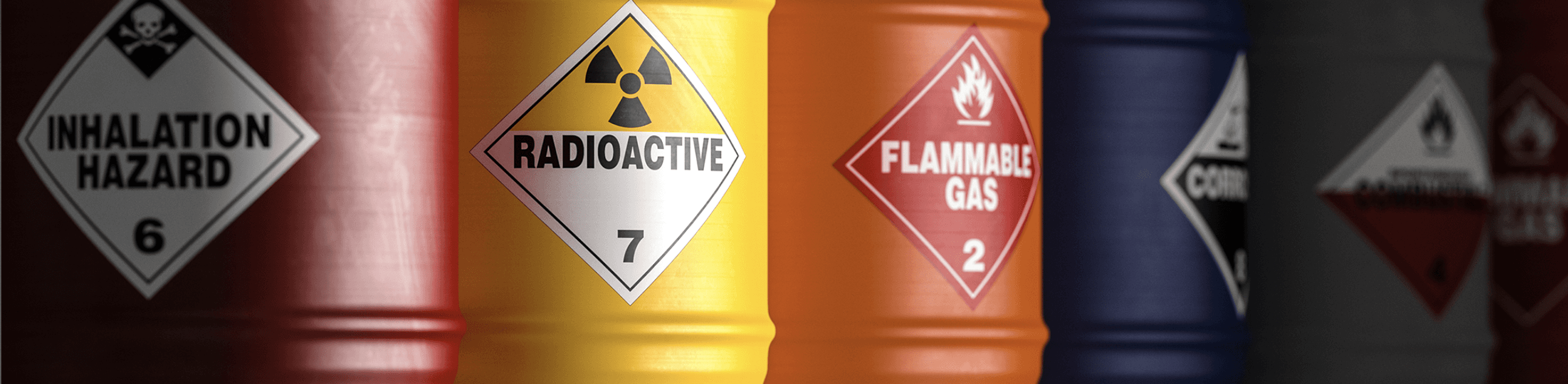
The nine classes of dangerous goods
Dangerous goods are classified by risk type. Correct classification determines how cargo is packed, labelled, and transported.
Summary
Dangerous goods are materials that pose risks during transport if not handled correctly.
These goods are grouped into nine classes based on the type of hazard they present.
Correct classification affects packaging, labelling, routing, and transport mode.
SMP Global supports planning and handling for regulated cargo across air, sea, and land.
Dangerous goods move safely every day when correctly classified and prepared. Most issues arise from misclassification or missing documentation rather than the cargo itself.
What are dangerous goods?
Dangerous goods are materials or items with properties that can harm people, property, or the environment during transport. These risks may arise from fire, explosion, toxicity, corrosion, radiation, or chemical reaction.
Transport rules exist to reduce these risks and ensure cargo can move safely across borders and transport modes.
How dangerous goods are regulated
Dangerous goods transport follows international standards that apply across air, sea, and road movements. These frameworks define how cargo must be classified, packed, labelled, and documented.
While the rules differ by mode of transport, the underlying classification into nine classes remains consistent.
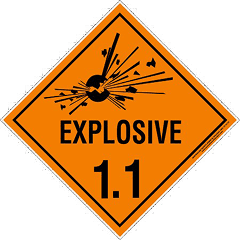
Class 1: Explosives
Explosives are substances or articles that can detonate or rapidly combust due to chemical reaction.
They are regulated because of their potential to cause sudden and severe damage through blast pressure, heat, and fragmentation.
Examples include ammunition, fireworks, blasting charges, detonators, and airbag inflators.
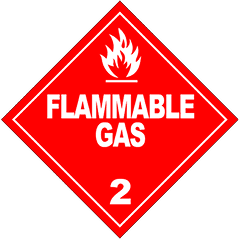
Class 2: Gases
This class includes compressed, liquefied, dissolved, and refrigerated gases.
Gases are regulated due to risks such as flammability, toxicity, pressure release, or oxygen displacement.
Examples include oxygen, propane, butane, acetylene, carbon dioxide, aerosols, and fire extinguishers.
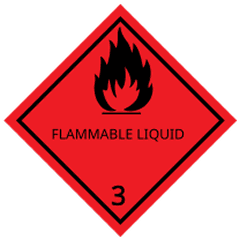
Class 3: Flammable liquids
Flammable liquids emit vapours that can ignite at relatively low temperatures.
They are regulated due to fire risk during handling, storage, and transport.
Examples include fuels, solvents, paints, alcohols, adhesives, and certain chemicals.
Class 4: Flammable solids
This class covers solids that ignite easily, self-heat, or react dangerously with water.
They are regulated because they can start or spread fires under normal transport conditions.
Examples include metal powders, matches, calcium carbide, phosphorus, sulphur, and sodium batteries.

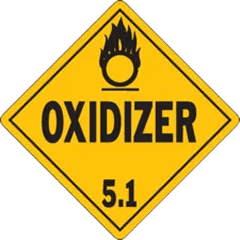
Class 5: Oxidisers and organic peroxides
Oxidisers release oxygen, which can intensify fires. Organic peroxides are chemically unstable and sensitive to heat or friction.
These substances are regulated due to their potential to accelerate combustion or decompose violently.
Examples include ammonium nitrate fertilisers, hydrogen peroxide, calcium hypochlorite, and chemical oxygen generators.
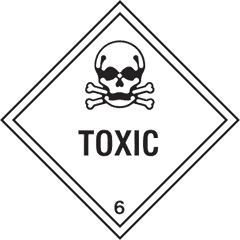
Class 6: Toxic and infectious substances
Toxic substances can cause serious harm or death if inhaled, swallowed, or absorbed through the skin. Infectious substances contain pathogens that can cause disease.
They are regulated to protect human and animal health.
Examples include medical waste, biological samples, pesticides, cyanides, and laboratory cultures.
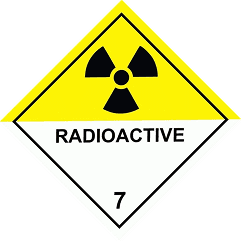
Class 7: Radioactive material
Radioactive materials emit ionising radiation during decay.
They are regulated due to long-term health risks associated with radiation exposure.
Examples include medical isotopes, uranium products, industrial gauges, and radioactive ores.
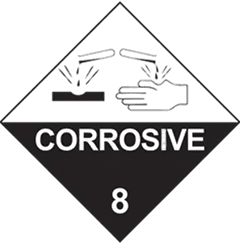
Class 8: Corrosives
Corrosives damage living tissue and other materials on contact.
They are regulated because leaks can cause severe injury and structural damage.
Examples include acids, batteries, battery fluid, formaldehyde, and certain cleaning chemicals.
Class 9: Miscellaneous dangerous goods
This class covers hazardous materials that do not fit into other classes but still pose transport risks.
They are regulated due to varied hazards, including environmental damage and fire risk.
Examples include lithium batteries, dry ice, vehicles, magnetised materials, and dangerous goods in machinery.

Practical note
Lithium batteries are often misdeclared because they appear harmless. In practice, they fall under Class 9 and require specific packaging and documentation.