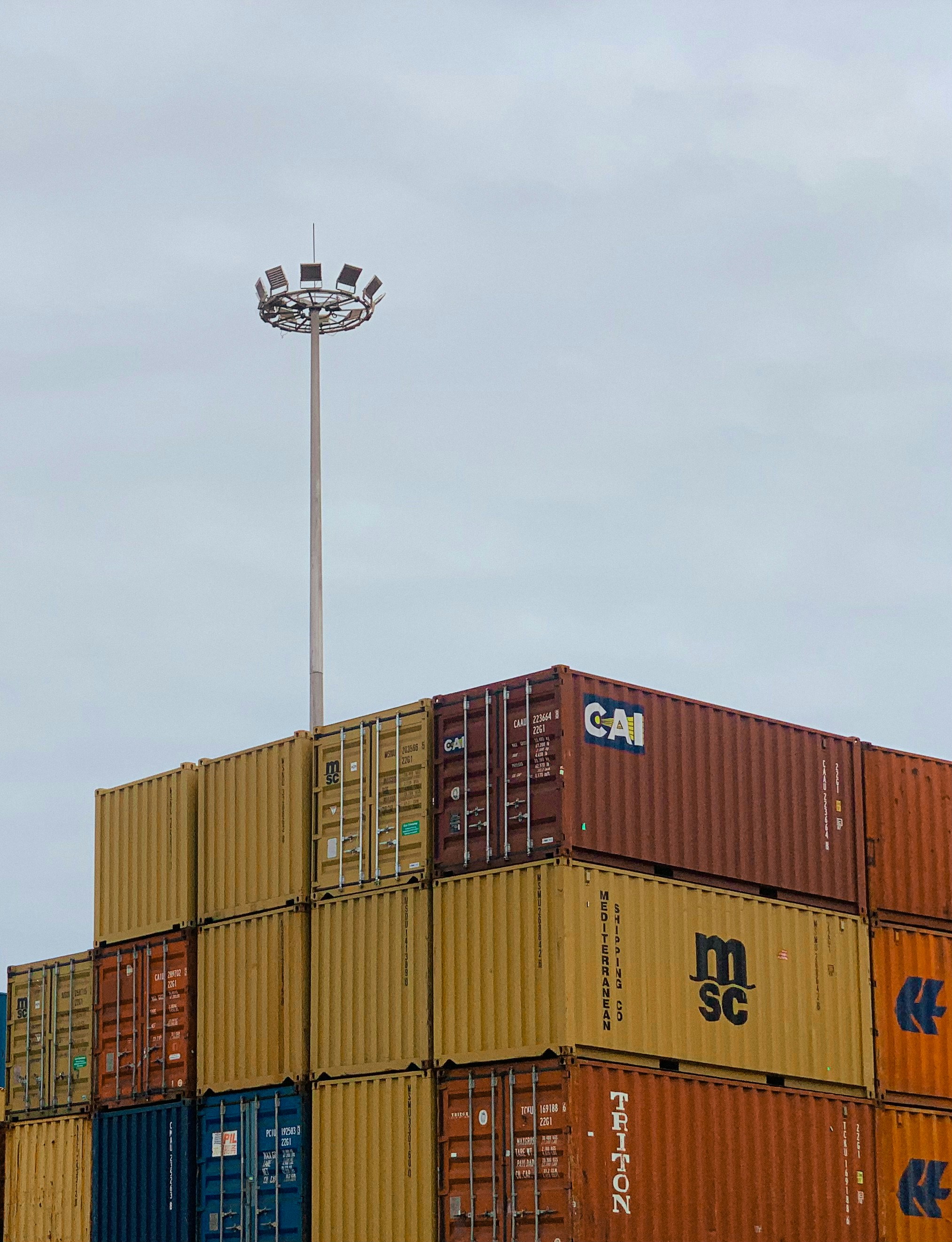
Container specifications
Standard container sizes and limits vary by type. Understanding these basics helps avoid overloading and handling issues.
Summary
Standard containers have fixed internal dimensions and weight limits that must be respected.
Overloading or poor container selection often leads to port delays and safety issues.
Cargo size, weight distribution, and handling method should guide container choice.
SMP Global advises on container selection as part of freight, storage, and project planning.
Choosing the wrong container usually shows up late, at the port gate or during loading. A basic understanding of container limits helps avoid rework and rejected cargo.
Common container types
The most commonly used containers fall into a few standard categories. Each suits different cargo profiles.
Dry containers
Used for general cargo that does not require temperature control.
High cube containers
Similar to dry containers but with extra internal height, often used for light but bulky cargo.
Open-top containers
Used when cargo cannot be loaded through standard doors or exceeds height limits.
Flatrack containers
Used for oversized, heavy, or irregular cargo that exceeds standard container dimensions.
Reefer containers
Used for temperature-controlled cargo requiring active cooling or heating.
Dimensions and weight limits
Container dimensions and payload limits vary by type and operator. Always confirm with the carrier before loading.
Typical constraints to consider:
Internal length, width, and height
Maximum payload weight
Maximum gross weight
Door opening dimensions
Payload limits include the cargo weight only and do not include the container’s own tare weight.
Weight distribution
Total weight is not the only concern. How the weight sits inside the container matters.
Check the following:
Weight is evenly distributed across the container floor
Heavy items are placed low and centred
Axle and lifting limits are respected during handling
Poor weight distribution can cause lifting restrictions, damaged floors, or rejection at terminals.
Matching cargo to container type
Container choice should be based on how the cargo moves, not just its size.
Consider:
Loading method, forklift, crane, or manual
Cargo shape and lifting points
Need for top or side access
Requirement for lashing or blocking
Oversized or heavy cargo often requires flatracks or open-top containers rather than standard dry units.
Inspection checks before loading
Before loading, confirm the container matches the booking and cargo plan.
Container number and type match documentation
Internal dimensions suit the cargo
Floor condition supports cargo weight
Lashing points are available and intact
If the container type differs from the plan, loading should stop until confirmed.
After loading checks
Once cargo is loaded, recheck compliance with container limits.
Cargo remains within internal dimensions
Weight limits are not exceeded
Doors can close without force
Cargo is secured for transit and handling
Rework after sealing is costly and often avoidable.
Practical note
A shipment that fits inside a container can still fail checks if weight is concentrated at one end. This commonly leads to lifting restrictions at ports, even when total weight is within limits.